




Costumes are bridges between generations and the sartorial embodiment of a nation can be the torchbearers of its authentic culture, tradition and the legacy.
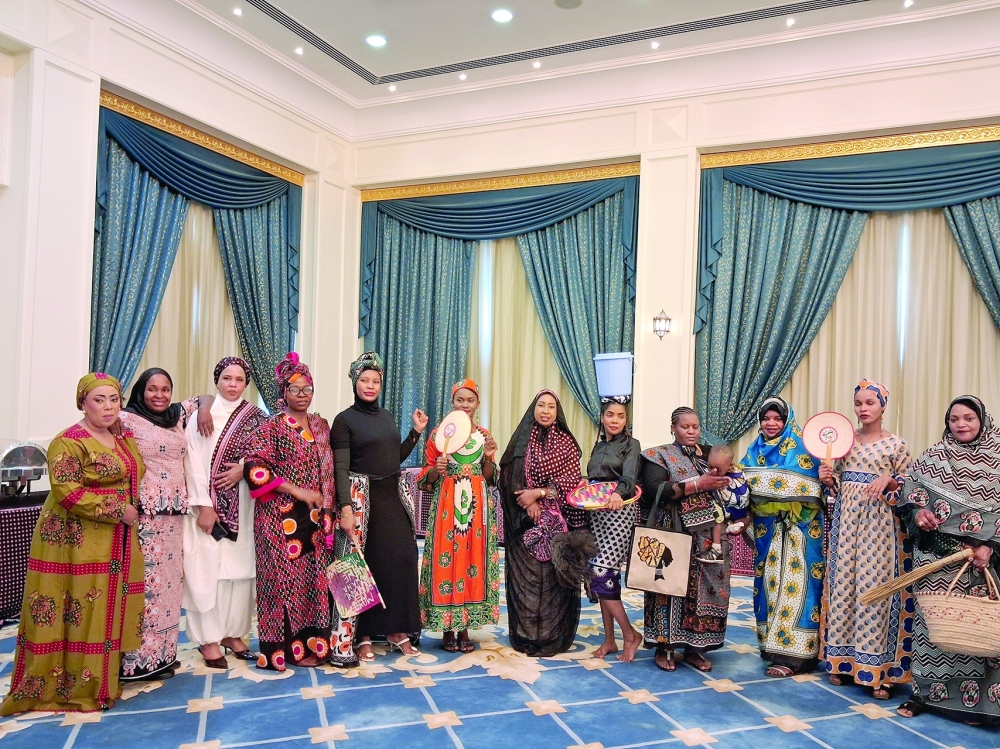
This is quite emphatic at the Tanzanian Day held at the Diplomatic Club in Muscat where a repertoire of its cultural hues were on display recently.
Zanzibari apparel is a vibrant reflection of its Swahili culture, deeply rooted in Islamic modesty and an amalgamation of African, Arab and Indian influences. Traditional dress symbolises respect, community pride and social communication, serving as a tangible expression of the island's history. Garments represent the treasure trove bequeathed from generation to generation and the very sight of people displaying their traditional dresses with pride and pomp was a sight worth comprehending their affinity towards their long heritage.
Zanzibar life is a vibrant blend of Swahili, Arab, Indian and African influences which is deeply rooted in Islam and the strong community ties are exemplary. Since Zanzibar is predominantly Muslim (around 98%), modest dress is not just a cultural custom but a sign of respect, especially when exploring outside of your resort or the beaches. Zanzibari women clad in colourful kangas (wraps with Swahili proverbs) and buibuis (black veils), while men donned the kanzu (tunic) and kofia (embroidered cap) reflected their brilliant lineage.
When, as a curious student who researches some of the core elements of Zanzibari dresses, one would find a plethora of costumes that are the true reflections of the age-old way of dressing and appearing in public.
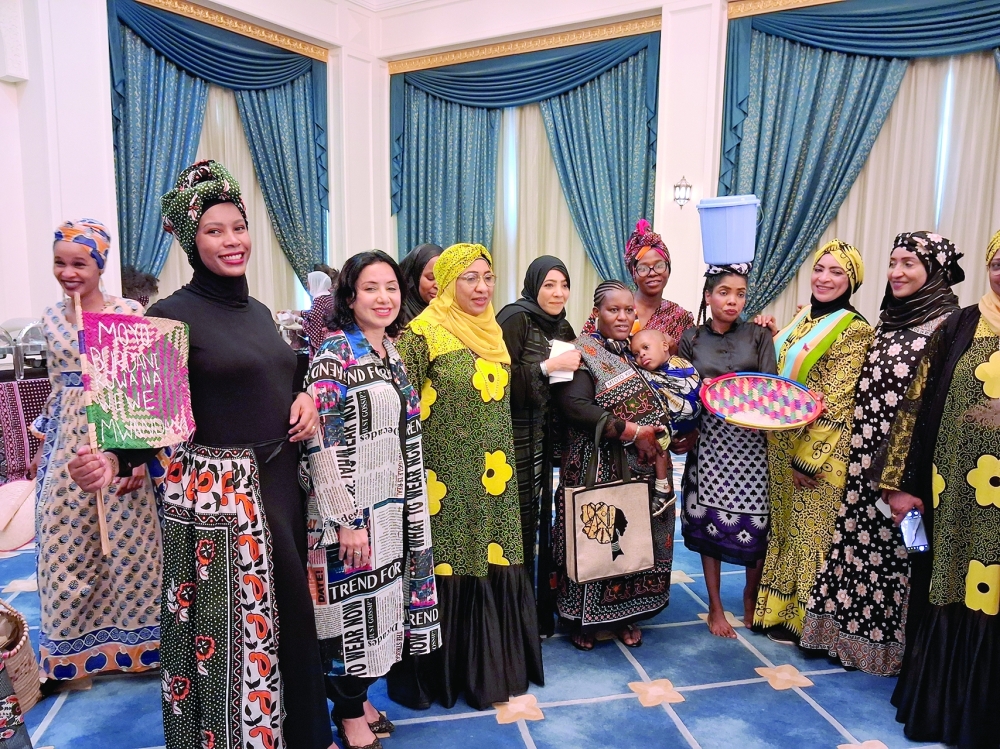
The Kanga (Leso), a signature East African cotton fabric is at the top of the list. Kanga is characterised by a central motif (mji), a wide border (pindo) and a printed Swahili proverb (jina). Kangas serve as 'social media' in Zanzibar, allowing women to communicate sentiments or political stances without speaking. They are worn as wraps, head coverings or baby slings.
The Kitenge is a thicker, unhemmed cotton fabric featuring vibrant, intricate African patterns. Unlike the kanga, it has a distinct border and is highly tailored into dresses, skirts, blouses and menswear.
For men, the traditional attire is the kanzu, a flowing, ankle-length white or cream robe of Arab origin and is usually paired with a kofia, a meticulously hand-knit, brimless embroidered cap that highlights Swahili craftsmanship. On the other hand, the Baibui, which is influenced by Arab tradition, is worn by many local women and is a traditional black veil known as a baibui, alongside a niqab, when leaving their homes.
In Zanzibar, traditional clothing such as the kanga, kitenge, baibui and kanzu is much more than fabric — it is a living tradition that narrates stories of history, faith, identity and community. These garments provide insight into Zanzibar’s multicultural heritage and continue to be cherished symbols of the island’s vibrant Swahili culture.
Whether worn daily or reserved for special occasions, they unite Zanzibaris in a shared cultural expression that honours the past while embracing the present.
Oman Observer is now on the WhatsApp channel. Click here